


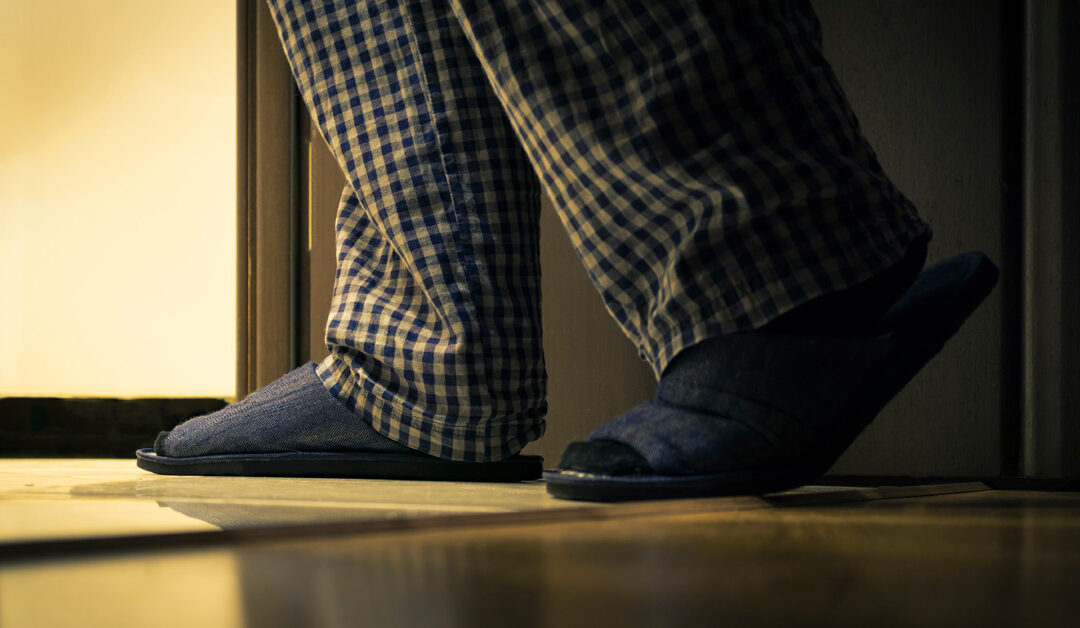
Waking up to pee in the middle of the night can be frustrating and disruptive. Many people think it’s just a normal part of aging. But frequent nighttime bathroom trips may be a sign of several different conditions, including overactive bladder (OAB).
Understanding why you’re waking up to pee is the first step toward getting better sleep and improving your bladder health.
What is OAB?
OAB is a condition that causes your bladder muscles to contract too frequently or at the wrong time. Normally, your bladder sends signals to your brain when it’s full, telling you to urinate. With OAB, this occurs even when the bladder is not full. This signal creates a strong, sudden, and often uncontrollable urge to urinate. The main symptoms of an overactive bladder include:
- Urinary urgency
- Urinary frequency
- Waking up to pee (nocturia)
- Urinary incontinence or leakage
Waking Up to Pee? It Might Be OAB
An overactive bladder can certainly be the cause of nighttime wakings to urinate. Medically, this is known as nocturia. Your bladder sends signals to your brain while you’re sleeping that your bladder is full, even when it isn’t.
It’s important to note that other conditions can also cause nocturia. Other causes of waking up to pee include:
- Sleep apnea
- Enlarged prostate (BPH)
- Diabetes
- Drinking fluids close to bedtime
If you’re experiencing increased urination at night, it may be time to meet with a doctor to determine the real reason.
Treatment for Overactive Bladder
Although the symptoms of OAB can be extremely bothersome, the good news is that the condition itself is manageable. Treatments typically start with simple lifestyle changes and progress from there as needed.
Lifestyle Modifications
Lifestyle changes are usually simple and effective at managing the symptoms of OAB. This is especially true in the early stages. Some helpful lifestyle changes include:
- Reducing the amount of fluid you drink before bed.
- Limiting bladder irritants like caffeine, alcohol, and carbonated beverages.
- Training your bladder by gradually extending the time you spend between trips to the bathroom.
- Implementing habits such as staying active, avoiding smoking, and maintaining a healthy weight.
Medications
If lifestyle changes don’t help your symptoms, several medications can relieve urinary urgency. They can help calm your bladder muscle, so you won’t feel the need to go all the time. Medication management is unique for everyone. Your doctor will work with you to find the medications that suit you best.
Advanced Therapies
When lifestyle modifications and medications don’t work, more advanced therapies are available. Sacral neuromodulation, using devices like Axonics, can help improve your symptoms more permanently.
See A Urologist If You Are Waking Up To Pee
Waking up to pee can be an annoying inconvenience, but it’s not something you have to live with. If you’re waking up often at night or having trouble with urgency or leakage, it’s time to talk to a urologist. They’ll help you with a diagnosis and a treatment plan tailored to your needs.
Don’t continue to live with symptoms of OAB – call 541-334-3350 to schedule an appointment today.