


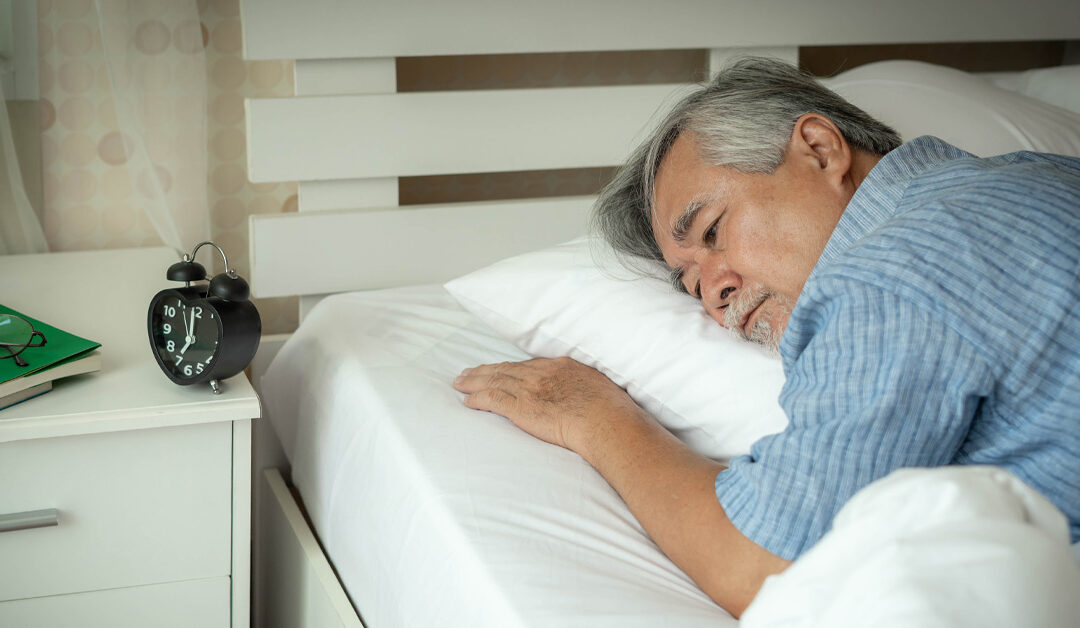
Few things are more frustrating than finally falling asleep, only to be jolted awake by the urgent need to use the bathroom. For men with an enlarged prostate, this exhausting cycle can happen again and again throughout the night. Over time, the constant interruptions leave you running on empty.
If you’ve wondered how BPH affects sleep, the answer is clear: it robs you of the deep, restful sleep your body and mind need. Eventually, the disruption takes a toll on your health, your focus, and even your mood. But there is good news: relief is possible. You don’t have to settle for restless nights and sluggish days.
How BPH Affects Sleep
This sleep disruption, known as nocturia, is the medical term for waking up more than once during the night to urinate. While getting up occasionally may not be unusual, frequent awakenings take a toll on both body and mind. Nocturia is one of the most notable BPH symptoms.
Common symptoms of nocturia include:
- Waking multiple times during the night to urinate
- Strong urges to urinate that disrupt sleep cycles
- Feeling unrefreshed in the morning despite spending hours in bed
Interrupted sleep leads to fatigue, weaker concentration, and lower productivity during the day. Mentally, it can contribute to irritability, poor moods, and even bedtime anxiety from anticipating repeated awakenings.
Other Symptoms of BPH
Nocturia is often the first sign men notice, but BPH can also cause:
- Frequent or urgent need to urinate during the day
- A weak, hesitant, or interrupted urine stream
- Incomplete bladder emptying
- Leakage after urination
Lifestyle Changes to Help You Sleep
While lifestyle changes can’t shrink the prostate, they can sometimes reduce nighttime bathroom trips and help you get more uninterrupted rest. These include:
- Limiting fluids in the evening
- Avoiding caffeine and alcohol late in the day
- Urinating twice before bed, a practice known as double voiding
BPH Treatments
For some men, lifestyle changes make a significant difference. For others, treatment is needed to improve symptoms. The goal is to relieve the pressure the enlarged prostate places on the urethra.
Medications are often the first step. Alpha-blockers relax the muscles around the bladder neck and prostate. 5-alpha-reductase inhibitors gradually shrink the gland. Sometimes the two are used together for stronger results.
When medications don’t provide enough relief or cause side effects, your urologist may recommend a minimally invasive procedure. Two common options include:
UroLift
The UroLift system uses tiny implants to lift and hold back enlarged prostate tissue, opening the urethra without cutting or removing tissue. Because it doesn’t use heat, sexual function is preserved, and recovery is quick. Many men notice relief within weeks.
Aquablation
Aquablation therapy uses advanced imaging and a heat-free waterjet, guided by robotics, to precisely remove prostate tissue. It’s especially effective for larger prostates and offers lasting relief with fewer side effects.
For more severe cases, surgical options such as transurethral resection of the prostate (TURP) can provide long-term relief by removing excess tissue.
See a Urologist for BPH Symptoms
If you’re waking up night after night and feeling drained during the day, our experienced urologists can help. Don’t let how BPH affects sleep continue to disrupt your nights—call (541) 334-3350 today to schedule an appointment.