



Prostate cancer happens when cells in the prostate gland stop behaving normally and begin to grow out of control, forming a mass of cancerous tissue. Since prostate cancer depends on the hormone testosterone to grow, to slow the disease, many men are treated with therapy that works to reduce it.
Castration-resistant prostate cancer (CRPC) is the term used when prostate cancer continues to grow despite treatments that bring testosterone to very low levels.


WHAT IS ADVANCED PROSTATE CANCER?
WHAT IS PLUVICTO?
Pluvicto, known by the medical name lutetium Lu 177 vipivotide tetraxetan, is a type of radioligand therapy.
This treatment combines a radioactive particle with a molecule that specifically seeks out prostate cancer cells. This allows radiation to be delivered directly to the tumor while limiting damage to surrounding healthy tissue.
Chemotherapy affects many rapidly dividing cell types throughout the body, so many types of cells can be harmed. In contrast, Pluvicto acts specifically on cells that carry a marker called PSMA.
WHAT DOES PSMA-POSITIVE CANCER MEAN?
WHO CAN RECEIVE PLUVICTO?
- Is metastatic castration-resistant prostate cancer (mCRPC), meaning it is growing and spreading despite low testosterone
- Tests positive on a PSMA- PET scan
For men who have already tried hormone-blocking medicines, Pluvicto may be considered as a next step. This gives them more time before needing chemotherapy. Your doctor will carefully review your medical history, test results, and health to determine whether this treatment is the right fit.
WHAT IS THE TREATMENT PROCESS?
Pluvicto is administered as an intravenous (IV) infusion directly into your bloodstream. This allows it to travel throughout your body and target PSMA-positive cells.
Treatments are usually scheduled every six weeks, with a maximum of six cycles. The exact number of cyles depends on how well you tolerate the therapy and how your cancer responds.
Before and after each infusion, you will be encouraged to drink plenty of fluids. Being well-hydrated helps protect your kidneys and flush the medicine out of your body.
The infusion itself does not take long, and many men can go home and continue with their normal activities soon afterward.
Pluvicto contains a low level of radioactivity. Your doctor will provide you with detailed instructions to keep others safe. These often include limiting close contact with other people, especially children and pregnant women and sometimes sleeping in a separate bed. You will be able to safely interact with others after a few days
IS PLUVICTO EFFECTIVE?
- Slow the spread of disease
- Delay complications in the bones, such as pain or fractures
- Improve quality-of-life measures reported by those being treated
While Pluvicto is not considered a prostate cancer cure, it offers meaningful benefits by controlling cancer longer, and:
- Slowing disease progression
- Delaying bone problems, like pain and fractures
WHAT ARE THE SIDE EFFECTS OF PLUVICTO?
- Feeling very tired
- Nausea
- Constipation or diarrhea
- Loss of appetite
- Weight loss
- Abdominal or back pain
- Low blood counts
- Kidney problems
ONGOING CARE AND MONITORING?
You will have regular blood tests to measure your red and white blood cells, platelets, and kidney function. Imaging scans will also be scheduled at intervals to see how well the cancer is responding.
Between visits, your doctor will ask you to keep track of your symptoms. They’ll ask you to report any changes right away so that side effects can be managed before they become more serious. Signs to watch for include:
- Severe fatigue
- Shortness of breath
- Easy bleeding or bruising
- Frequent infections or fever
- Noticeable drop in urination
PLUVICTO FAQs
1. How long will it take to know if Pluvicto is working?
Your doctor will monitor your response with blood tests and imaging scans. Some men notice symptom relief within a few months, but the full benefit is usually seen after several treatment cycles.
2. Can Pluvicto be combined with other prostate cancer treatments?
It is often given alongside other standard treatments. These may include hormone therapy, bone-strengthening medications, or supportive treatments.
3. Can I still enjoy my normal activities while on Pluvicto?
Most men can continue their normal activities between treatments. Staying hydrated, eating well, resting when needed, and following your doctor’s instructions will help you feel your best.
CONTACT US
2400 HARTMAN LANE,
SPRINGFIELD, OR 97477
PHONE: 541.334.3350
TOLL FREE: 1.800.246.9925
FAX: 541.343.3459
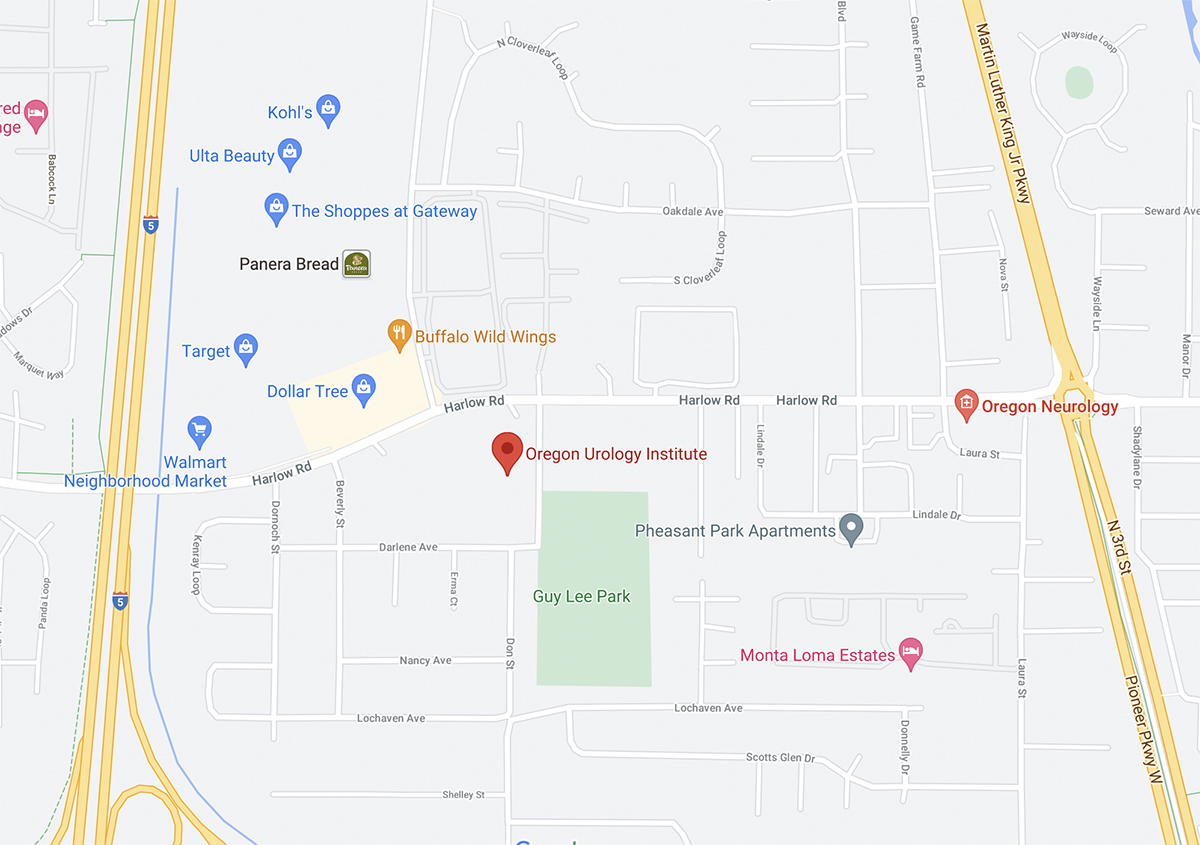
FIND US
JOIN OUR TEAM