


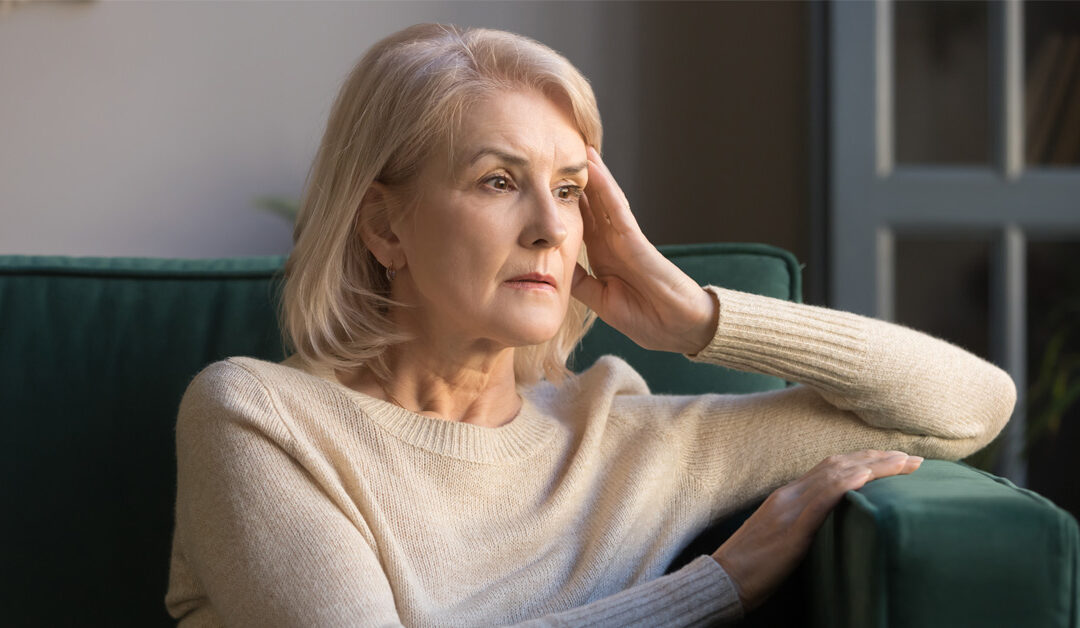
Living with overactive bladder can be stressful. The sudden urge to go, frequent bathroom trips, and fear of leaks can disrupt your day and your sleep.
Many people notice their bladder symptoms get worse during difficult or emotional times. This leads to an important question: Can stress make OAB worse? Learning how stress affects your bladder can help you spot triggers and take steps to feel more in control and find relief.
What Is OAB?
Overactive bladder, often called OAB, is a common urinary condition. It’s defined by urinary urgency. This means a sudden and strong need to urinate that can be hard to delay.
OAB is not a disease. It’s a group of symptoms related to how the bladder and nervous system work together. Common symptoms of OAB include:
- A frequent urge to urinate, often more than eight times a day
- Sudden urgency that feels difficult to control
- Urgency incontinence, where urine leakage occurs before reaching the bathroom
- Waking up at night to urinate, a condition called nocturia
OAB can affect men and women of all ages, though it becomes more common as people get older. Importantly, OAB is not considered an inevitable part of aging, and relief is possible.
What Is Stress?
Stress is the body’s response to physical, emotional, or mental pressure. It can be triggered by many factors, including:
- Work demands
- Health concerns
- Family responsibilities
- Financial strain
- Major life changes
When stress lasts a long time, it can affect how your body works, including your nervous system. This can lead to physical symptoms such as:
- Muscle tension
- Fatigue
- Digestive changes
- Increased sensitivity to bodily sensations
Is There a Connection Between Stress and OAB?
Research shows that stress and overactive bladder symptoms are linked. Many people with OAB notice they need to urinate more often or more urgently during emotionally challenging times. This may happen because stress triggers the body’s “fight-or-flight” response. This can increase nerve signals to the bladder and make bladder sensations feel stronger.
Stress does not directly cause OAB, but it can make symptoms happen more often or feel more intense. For example, bladder symptoms may flare.
The connection between stress and OAB also works both ways.
Bladder symptoms can become worse during high-pressure times, and living with OAB can add emotional strain. Worry about leaks, always needing to find a bathroom, and poor sleep can all add up. Over time, this can create a cycle where symptoms and emotional strain feed into each other.
Can OAB Be Treated?
You don’t have to live with OAB. Treatment options include:
- Behavior changes, such as bladder training, pelvic floor exercises, and adjusting when you drink fluids
- Lifestyle changes, like cutting back on caffeine and treating issues such as constipation
- Medications that help calm the bladder or reduce overactive nerve signals
- Advanced treatments, like bladder injections or nerve-based therapies, when other treatments don’t help
For people whose symptoms get worse with stress, treatment may also include ways to help calm the nervous system.
Can Stress Make OAB Worse? When to Get Help
Living with overactive bladder can be frustrating, especially when stress makes symptoms worse. If you’re asking, “Can stress make OAB worse?” the answer is yes. But luckily, help is available.
Call (541) 334-3350 to schedule an appointment today. Our urologists provide expert care for bladder conditions in the greater Eugene–Springfield, OR area and can help you find relief that fits your life.